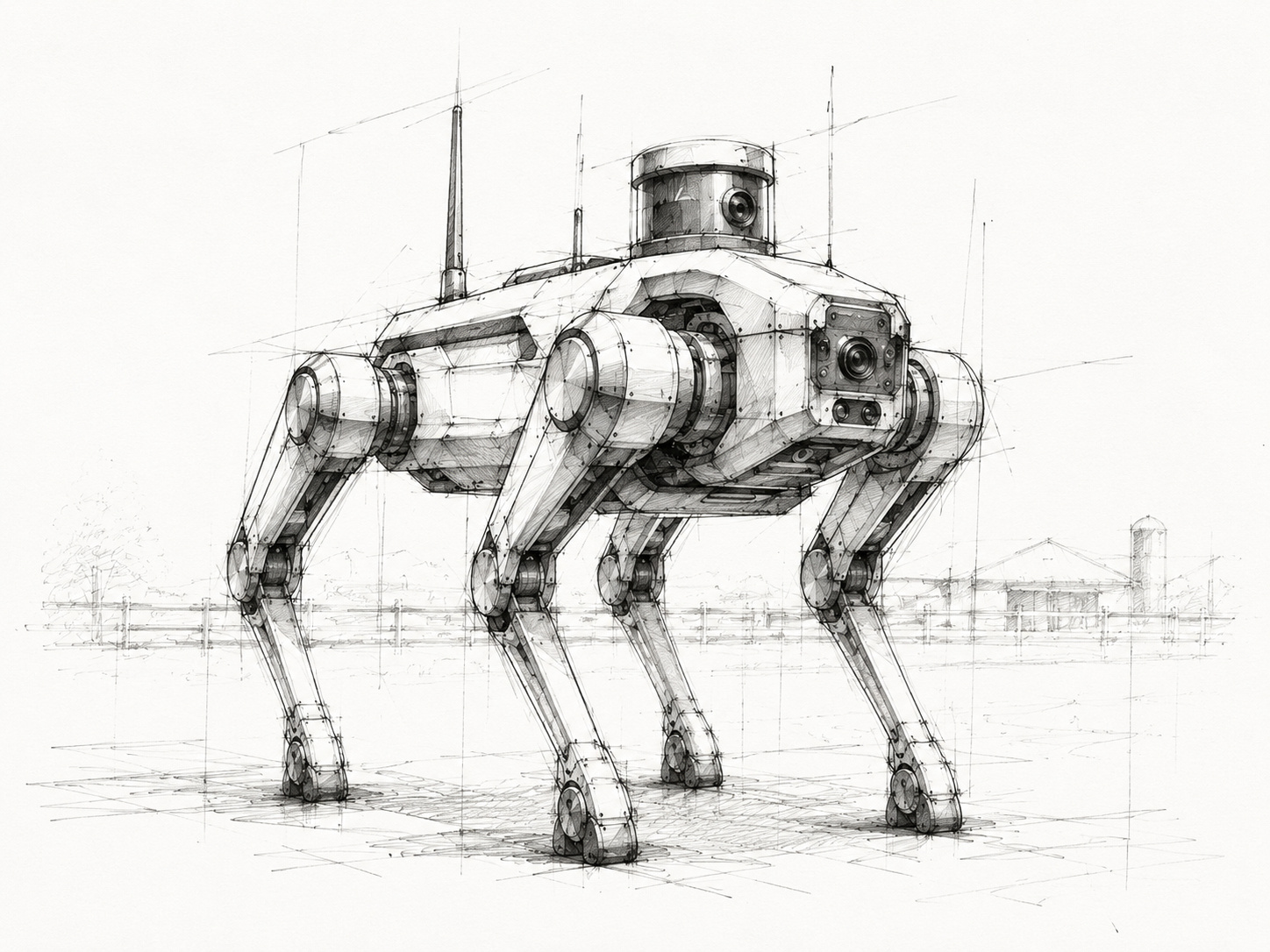
Observe
Nexa Vision
Visual perception of the environment, identification and tracking of assets.
Logistics operations depend on knowing where assets are, in what state, and what the operation should do next. Convex develops the visual perception, localization, mission planning and telemetry layers that support that tracking.
Convex does not sell a logistics automation catalogue. What we build are the layers any physical operation depends on: visual perception, localization, mission planning, telemetry and operational intelligence about what is actually happening.
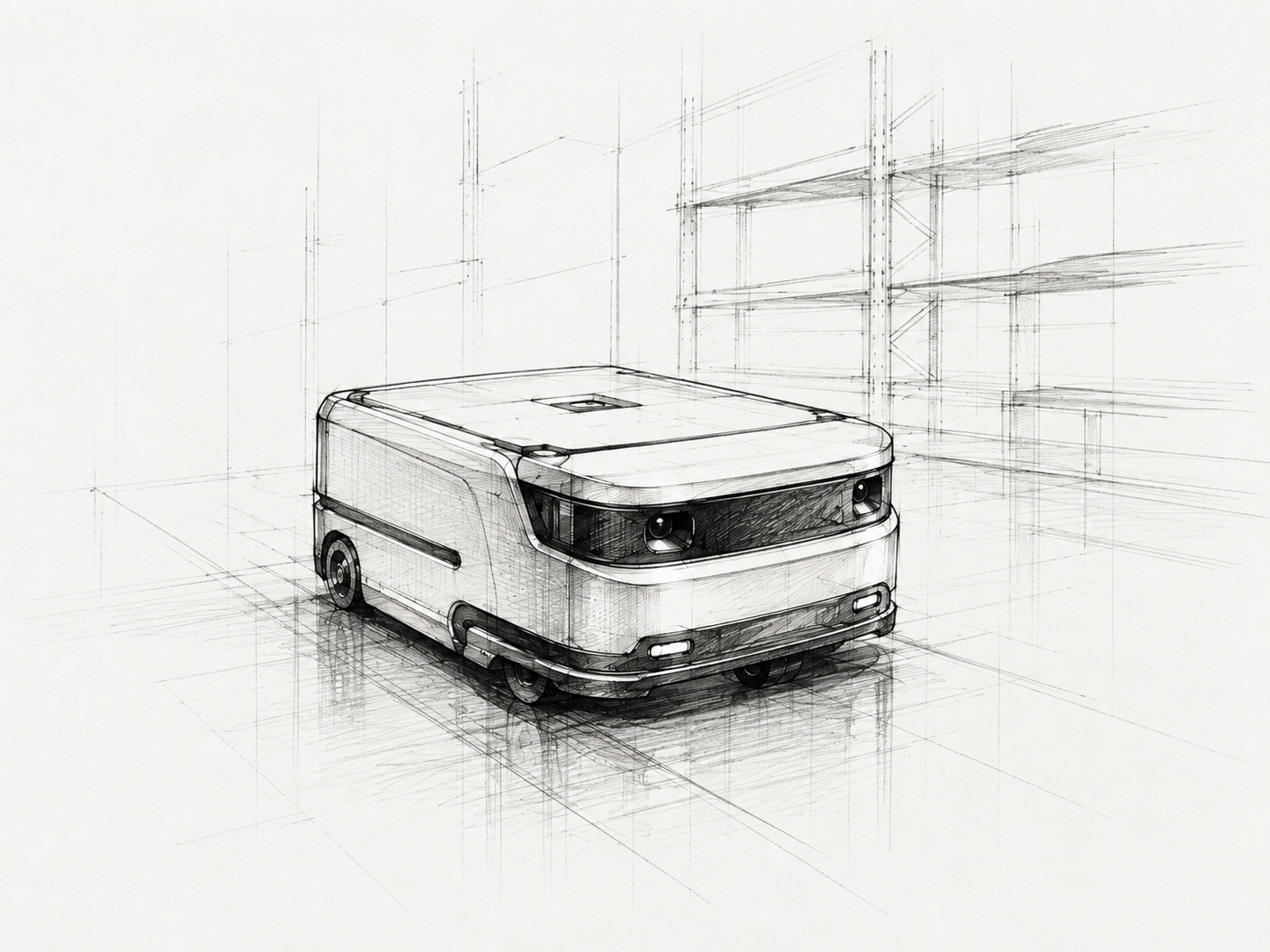
Where an asset is and in what condition is usually inferred rather than observed.
Physical operations change layout and occupancy continuously, and the system has to see that.
Without a mission layer, each task becomes an isolated event with no trail.
Position and condition data live in separate systems and never form a single view.
What the software decides and what happens on the floor rarely share the same record.
The same architecture runs across every sector. What changes is which layer is critical and which proprietary systems take part.
Visual perception of the environment, identification and tracking of assets.
Reading of what was observed: presence, relative position and change of state.
Mission planning, routing, telemetry and aggregate operation state.
Physical execution of the planned task, returning state to coordination.
Sources compatible with the systems deployed in this sector. No layer is assumed: every monitored area declares what is actually available.
Visual streams over points of interest in the operation.
Captures bound to identification and verification events.
Relative position of assets within the observed environment.
State, condition and movement of the platforms.
Planned route, current step and execution result.
Queryable record of past events and missions.
Each application states the problem addressed, the data used, the Convex system involved and the operational output produced.
Location and state inferred instead of observed.
Layout and occupancy change through the shift.
Tasks executed without queryable state.
Distance between what the software decides and what happens on the floor.
Isolated events with no aggregate reading.
Visual perception records the environment and assets at the point of interest.
Identification and relative position are extracted from the observation.
Observed state is compared against the state the mission expects.
Divergences raise an alert and reorder the mission queue.
Synapse Control coordinates the step; where applicable, Axis executes physically.
Mission, event and result are archived for later query.
Divergence between observed and expected state.
Position and condition of the platforms in operation.
Mission queue with routing and sequencing.
Queryable record of missions and events.
Period consolidation of what was executed.
We separate what is in operation from what is still under development. Research and prototypes are never presented as deployed product.
Observation layer applied to operational environments.
Route coordination and aggregate operation state.
Localization and continuous replanning under research.
Robotic actuation integrated with the mission layer.
Dense environments with constantly changing layout and occupancy. An application context, not an off-the-shelf product.
Visual tracking of assets across wide, lightly instrumented spaces.
Repetitive trips between fixed points, well suited to planned missions.
Checkpoints that need a traceable visual record.